
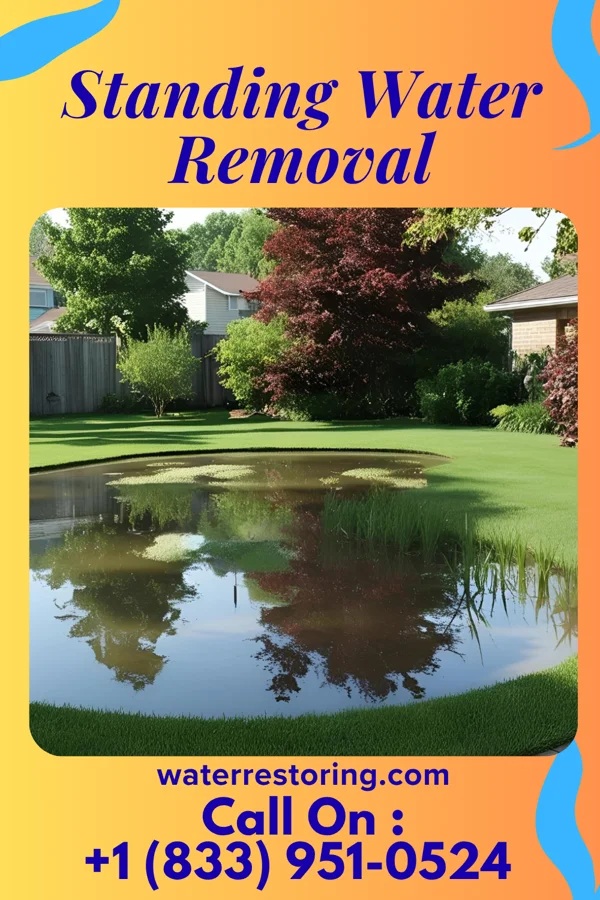
Standing Water Risks in Hollis
Property owners across Hollis call certified water damage restoration when In Hollis, Alaska, the primary water damage cause is often due to heavy rainfall and coastal flooding, especially during the late summer and early fall when storm systems frequently impact the region. The proximity to Thorne Bay and the surrounding rugged terrain can lead to sudden water accumulation in homes and infrastructure.. A close second is Secondary causes include leaking septic tanks, burst pipes in older homes, and inadequate drainage in rural areas. Additionally, snowmelt in the spring can cause localized flooding, particularly in low-lying areas near Klawock and Kasaan..
Hollis experiences a subarctic climate with long, cold winters and short, cool summers. The high precipitation levels and frequent storms increase the risk of water damage, making rapid response and proper drying essential to prevent long-term structural issues.
Hollis experiences a subarctic climate with long, cold winters and short, cool summers. The high precipitation levels and frequent storms increase the risk of water damage, making rapid response and proper drying essential to prevent long-term structural issues. The dominant local driver is In Hollis, Alaska, the primary water damage cause is often due to heavy rainfall and coastal flooding, especially during the late summer and early fall when storm systems frequently impact the region. The proximity to Thorne Bay and the surrounding rugged terrain can lead to sudden water accumulation in homes and infrastructure., with Secondary causes include leaking septic tanks, burst pipes in older homes, and inadequate drainage in rural areas. Additionally, snowmelt in the spring can cause localized flooding, particularly in low-lying areas near Klawock and Kasaan. showing up as the next most common cause. Damage builds in stages. Spread. Absorption. Microbial growth. Structural compromise. Every stage you pass through adds to the final bill.
For public guidance on the health effects of mold after prolonged water exposure, see the EPA mold and health page.